
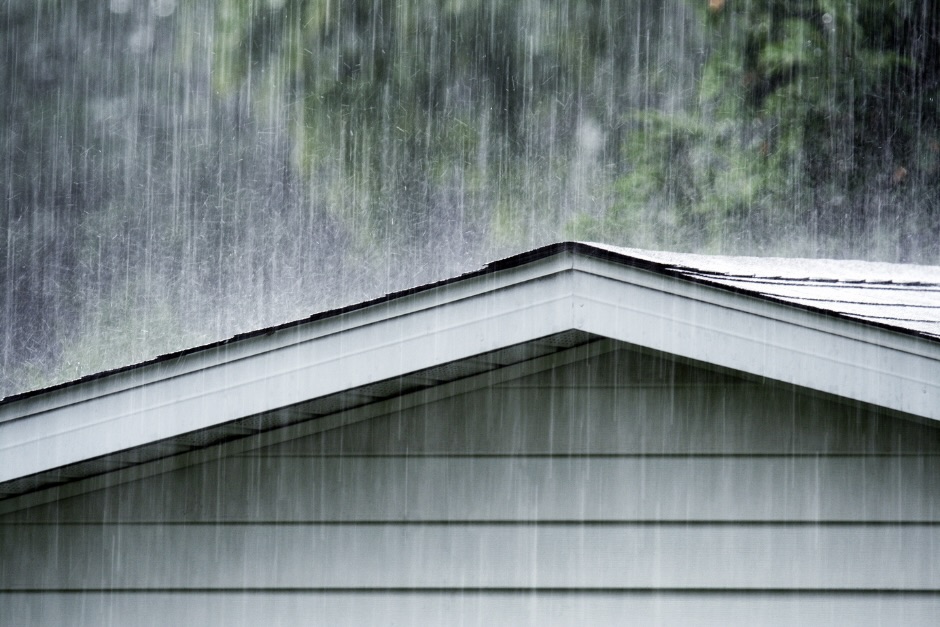
Let’s be honest – this summer hasn’t exactly delivered postcard weather every day. Sure, there’s been some good days of sunshine and blue skies, but there’s also been quite a lot of rain. The kind of rain that creeps in sideways and finds tiny gaps you never knew existed.
It’s the kind of rain that can often turn a “she’ll be alright” storage set-up into a damp, musty regret. As one of New Zealand’s leading storage experts, we can nearly guarantee that a lot of Kiwi households are staring at their garage, shed or tarp-covered pile of important stuff and quietly wondering:
“Is this actually protected? Or am I kidding myself?”
Let’s take a moment and break down the strategies Kiwis often use to store their treasured goods – and whether the weather has managed to defeat them. It’s better to know ahead of time than to end up on the receiving end of heavy deluge, so let’s explore your storage approach and see if it’s set to survive wet summer storage.
The Great Kiwi Myth: It’s Always Fine in the Garage
Garages cop a lot of trust in New Zealand – and why wouldn’t they? We store everything there, from tools and bikes to spare furniture, boxes of memories, and camping gear. In fact, most families prefer to use their garage for storage these days – it’s almost rare to find a car parked in there!
But here’s the thing: most garages aren’t designed for long-term storage. They’re built for cars. And even then, half the time they’re not doing a fantastic job keeping things dry.
Here’s some common issues we’ve seen with home garage storage over the years, especially following wet summers:
- Condensation forming overnight
- Moisture creeping up through concrete floors
- Damp air with nowhere to escape
- Leaks you don’t notice until it’s too late
- Cardboard boxes soaking up moisture like sponges
If you’ve ever opened a box and been hit with the ‘damp garage smell,’ you already know how this ends.
Sheds, Tarps & ‘Temporary’ Solutions That Become Permanent
Sheds and tarps are another classic. The logic is usually well-intentioned – it’s just for a few months, it’s under cover, we wrapped it pretty well – but fast forward a couple of months, and the situation’s changed.
A lot of people end up throwing their belongings into less-than-ideal shed storage or under tarps, thinking it’s “just short-term.” Weeks and months later, heavy rain warnings have come and gone, and suddenly:
- Tools are starting to rust
- Cushions are mouldy
- Furniture smells… kind of questionable
- Cardboard has gone soft
- Bags have moved in and made themselves at home
Tarps are especially sneaky. They trap moisture underneath and create the perfect environment for mould to thrive. It’s like putting your belongings in a raincoat – and then sealing them inside with wet air. Not exactly how you’d picture storage during winter.
In all three of the garage, shed, and tarp approaches, the same villain appears: moisture. It’s not the rain itself that usually causes damage, but the damp air. Especially in the North Island, humidity hangs around – even on dry days. This moisture gets absorbed by wood, sits in fabrics, and causes metal to corrode.
Then the mould arrives. Once it sets, it doesn’t stop politely. It spreads. And getting rid of it properly can cost far more than storing items correctly in the first place.
What’s ‘Proper’ Storage?
Good storage isn’t just about putting a lock on the door. It’s about the little things that most people don’t stop to consider – dry conditions, good ventilation, true protection from the elements, and security you don’t have to worry about.
That’s where purpose-built facilities make a real difference. Here at Safeguard Storage, units are designed to specifically protect belongings – element protection is the first priority, not an afterthought.
Our dry storage units are designed to keep your belongings safe from rain, ground moisture, and humidity – helping you keep belongings dry when garage storage or shed storage just isn’t enough. Solid walls and roofing, controlled airflow, and secure environments mean your items are protected in ways home storage can’t match.
This is especially important for:
- Furniture
- Mattresses
- Appliances
- Electronics
- Documents
- Clothing
- Soft furnishings
Basically, everything you’d rather not replace. And let’s not forget another truth – a lot of garages and sheds aren’t very secure. A simple padlock or roller door might slow someone down, but if someone really wanted your stuff, they’d probably be able to get it.
Safeguard Storage facilities include CCTV cameras, pin code access, individually-alarmed units (at many locations), gated entry, and regular site monitoring. That means your belongings are protected from both the elements *and* wandering hands.
Peace of mind is always taken for granted – until you no longer have it.
‘But I Only Need Storage For a Little While…’
Short-term storage is incredibly common – especially when you’re moving between houses, renovating a room, decluttering for a sale, or downsizing. The problem is that “just a few months” will often line up with the wettest, coldest, most moisture-heavy time of the year. Proper storage during winter can save you replacing items later on.
Ask yourself:
- Would I leave this item outside under a tarp all winter?
- Would I care if it got damp?
- Would I notice if mould started growing on it?
- Would I be annoyed if it was stolen?
If the answer to any of these is “no,” it probably doesn’t deserve better than a garage corner.
Another big plus with Safeguard Storage is convenience. Many locations offer drive-up access, a wide range of unit sizes, early access hours, and simple month-to-month flexible contracts. That means there’s no pressure to lock yourself into something long-term. Storage should simplify life – not add another headache.
Wet Summers Happen. Damage Doesn’t Have To.
This summer has been a good reminder that garages, sheds, and tarps aren’t always the safest bet – especially when the rain keeps coming. Wet summer storage is tricky, but the right setup can make all the difference.
We can’t control the weather, but we can control how well we protect the things we’ve worked hard for. Dry conditions, proper ventilation, and real security make a big difference between belongings that last and belongings that slowly deteriorate out of sight.
If your items are sitting in a damp garage, a leaky shed, or under a “temporary” tarp that’s quietly become permanent, now’s the time to rethink your setup. Proper storage during winter isn’t about being fancy. It’s about being practical, proactive, and keeping your belongings dry – and after a wet summer like this one, that peace of mind is worth it.